The towel card problem
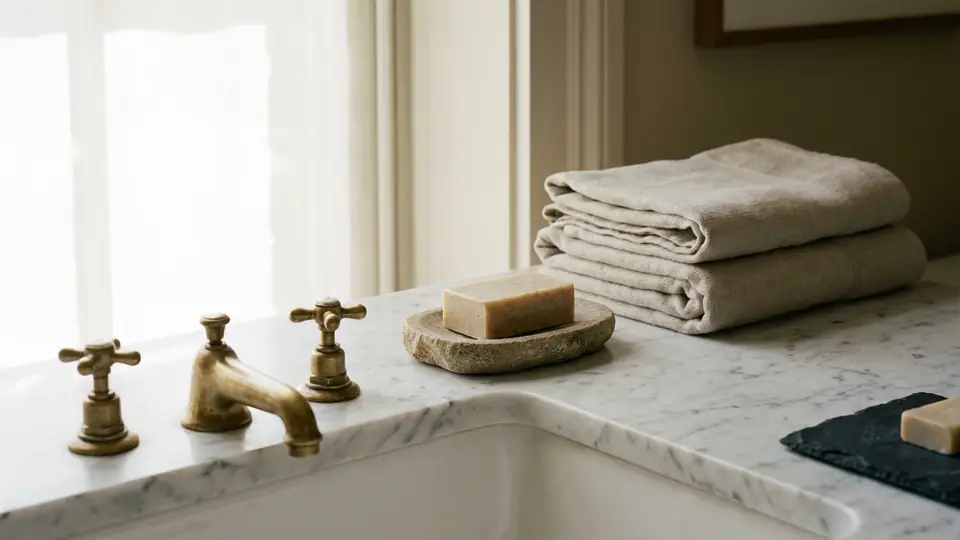
There is a particular kind of theater that plays out at every self-described eco friendly jacuzzi hotel across the country. A laminated card on the vanity asks the guest to hang up the towel rather than dropping it on the floor. Thirty inches away, a sixty-gallon jetted tub sits plumbed into a system that will drain, refill, and reheat its entire volume before the next guest arrives.
The towel reuse saves roughly 0.3 gallons per wash cycle. The tub drain-and-refill consumes sixty gallons of heated water. One of these gestures is environmental policy. The other is a prop.
The hospitality industry has spent a decade building sustainability narratives around the cheapest possible interventions: linen programs, LED retrofits, lobby recycling bins with optimistic signage. These matter, but they are irrelevant to the single largest water and energy draw in hotel rooms with jacuzzi in them. The tub is where the waste lives. The towel card is a distraction.
The question is not whether a hotel has a green program. It is whether that program extends to the fixture that determines the room's resource footprint. Almost never. The green certification hangs in the lobby. The tub upstairs runs on the same wasteful cycle it ran on in 2008. That gap between branding and engineering is what this article measures.
What a jacuzzi suite costs the planet
In a standard hotel room with jacuzzi, the tub holds between forty and eighty gallons, with sixty being the most common capacity in American suites. Heating sixty gallons from a cold-water baseline of 55°F to a soaking temperature of 104°F requires approximately 5.2 kilowatt-hours on a conventional electric resistance heater. That is the energy equivalent of running a window air conditioning unit for five hours.
Multiply that by a daily drain-and-refill cycle and a 75 percent occupancy rate. A single whirlpool suite consumes over 16,000 gallons of water and 1,400 kWh annually on the tub alone.
Chemical treatment adds another dimension. Jetted tub systems harbor biofilm in their plumbing lines. Hotels manage this with chlorine or bromine shock treatments between guests, followed by a full drain. The chemicals enter the municipal wastewater system. The water is gone. The cycle restarts. It is a linear model applied to what could be a circular system, and most properties have never questioned it.
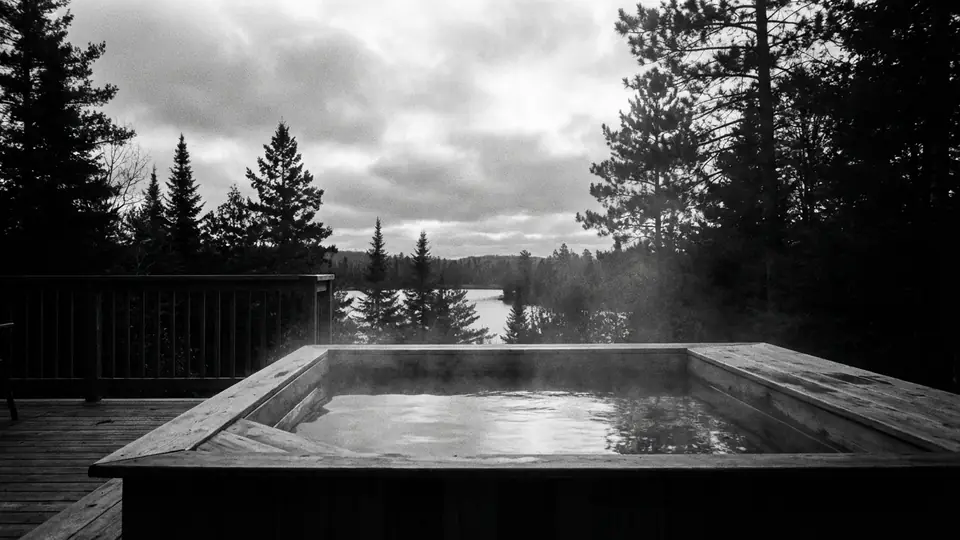
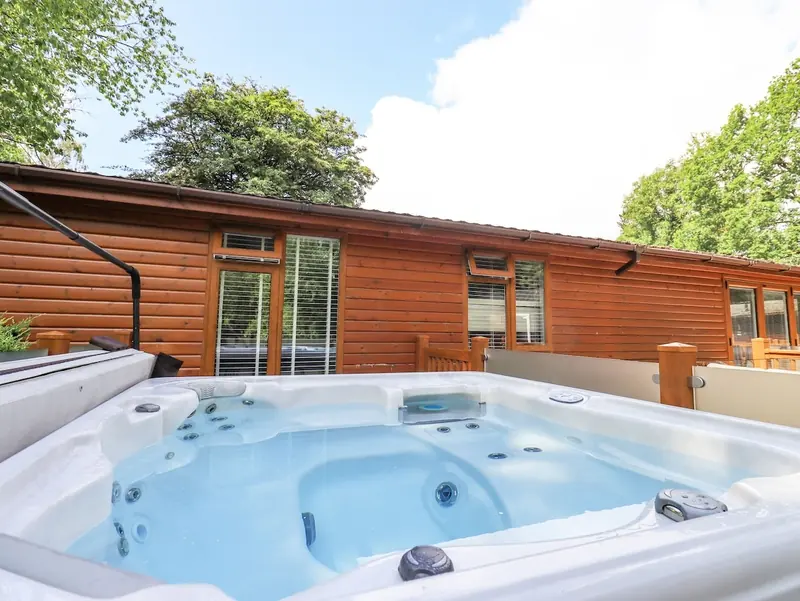
A spa tub is a luxury product, and luxury products consume resources. The difference between a hotel that drains sixty gallons daily and one that recirculates, filters, and maintains a tub over multiple guest stays is not incremental. A lakefront lodge in the Finger Lakes region of New York demonstrates what the alternative looks like. It operates whirlpool suites with heat-pump water heaters and UV-C sanitization, eliminating chemical treatment entirely. The tubs are Kohler hydrotherapy models with targeted jet pressure you notice within minutes. Rates run $190 to $240, lower than several conventional alternatives in the same market.
Recirculation systems can reduce a jetted tub's annual water consumption by up to 70 percent, and when paired with heat-retention covers and efficient heating, the energy savings compound. The technology exists. The question is which properties have installed it and which are still running the 2008 playbook.
Three fixes that cut a jacuzzi suite's footprint
Water recirculation and advanced filtration. A recirculating spa tub does not drain between guests. It runs water through a multi-stage filtration system — a sediment filter paired with UV or ozone treatment — and maintains water quality over days or weeks rather than hours. This is standard engineering in commercial spas. It is uncommon in hotel suites because conventional maintenance protocols default to drain-and-refill as the simplest labor model. Properties that have adopted recirculation invested in staff training alongside the hardware. The result is a tub that uses a fraction of the water while matching or beating the hygiene standard.
Efficient water heating. Electric resistance heaters are the default in most hotel whirlpool suites because they are cheap to install. They are also the least efficient method of heating water. Heat-pump water heaters extract thermal energy from ambient air and operate at two to three times the efficiency. In warm-climate properties, solar thermal pre-heating further reduces the energy needed to reach soaking temperature. A few properties in the Southwest and Southeast have moved their hot tub heating to heat-pump or solar-assist systems. The water feels the same. The energy draw drops by half or more.
Chemical-free sanitization. UV-C and ozone treatment systems eliminate the need for chlorine or bromine. They destroy bacteria and biofilm without introducing chemicals into the water or the waste stream. The guest experience improves: no chlorine smell, no skin irritation, no chemical residue on the tub surface. At least a dozen higher-end properties have adopted these systems not for sustainability but because guests prefer the result. The environmental benefit is a byproduct of better engineering, not a goal layered on top of it.
What green certifications do not measure
Green Key. LEED. EarthCheck. The certification market for hospitality sustainability is crowded and, for a guest booking a spa tub suite, largely uninformative.
LEED certifies buildings. It evaluates insulation, HVAC efficiency, water fixtures at the aggregate level, and material sourcing. It does not evaluate what happens inside a specific hotel room's jetted tub plumbing. A LEED Gold hotel can and frequently does contain whirlpool suites running conventional drain-and-refill cycles with chlorine shock. The certification is not lying. It is answering a different question.
Green Key and EarthCheck operate on a similar plane. They assess property-wide operations: energy management, waste diversion, water conservation at the aggregate metering level. These tell the guest almost nothing about whether the in-room hot tub in suite 412 recirculates or drains. A guest choosing a jacuzzi suite hotel based on environmental concern needs room-level data, not building-level scores.
I have stayed at certified properties where the tub was the least efficient fixture in the building and at uncertified properties where the tub system was engineered with more care than anything the certification bodies measure. The certification tells the guest that the hotel filled out the paperwork. It does not tell the guest that the hotel redesigned the soak.
Four properties that redesigned the soak
A converted inn in southern Vermont has retrofitted its six spa tub suites with recirculating filtration and ozone sanitization. The tubs are deep, freestanding soaking models rather than built-in whirlpools, which reduces water volume by nearly a third. The property drains each tub once per week rather than daily. Rates for the tub suites run $210 to $260 depending on season, at the median for the region.
A boutique property outside Sedona has connected its private hot tub suites to a solar thermal heating array. The array pre-heats water to within fifteen degrees of target temperature before the heat pump engages. Outdoor placement on private patios shielded by adobe walls takes advantage of ambient desert heat for thermal retention. Rates sit at $280 to $340, competitive with conventional jacuzzi suites in the Sedona market where $300 is standard.
A ranch property in Montana offers outdoor soaking tubs fed by a natural hot spring, which eliminates the heating equation entirely. The tubs are gravity-fed and continuously refreshed — a system that predates modern plumbing and happens to be more efficient than anything engineered after it. Rates range from $195 to $250, and the property markets itself around the Western experience rather than the environmental math.
A mountain resort in western North Carolina uses geothermal well water to feed its private jetted tub suites, reducing heating energy by roughly 60 percent compared to cold-water intake. The water arrives at the tub at approximately 78°F. Suite rates are $220 to $275, below the regional average for comparable tub suites.
Across all four properties profiled above plus the Finger Lakes lodge, the average nightly rate is $243, which falls within $20 of the national average for a standard jacuzzi suite with no sustainability features. The guest is paying for a property where someone calculated the total cost of ownership on the tub system rather than defaulting to the cheapest installation.
What to ask before you book
The gap between marketing and engineering is real, but it is testable. Four questions, asked when booking any hotel with jacuzzi in room, will reveal whether the green claims extend to the tub.
How often is the tub drained? A daily drain-and-refill cycle is the clearest signal that no recirculation system is in place. A property maintaining water over multiple stays has invested in filtration infrastructure.
What sanitization method does the tub use? Chlorine or bromine means standard chemical treatment. UV, ozone, or a combination indicates a system designed for continuous maintenance rather than shock-and-drain.
What type of water heater serves the tub suites? Electric resistance is the default. Heat pump, solar thermal, or geothermal feed are the answers that indicate investment in efficiency.
Is the tub a recirculating system or a fill-and-drain? This is the most direct question and the one most front desk staff can answer. Recirculating systems are a capital investment that properties are generally aware of and willing to discuss.
These four questions work on any hot tub jacuzzi hotel, not just the ones profiled here. A hotel with jacuzzi that can answer all four with specifics has thought about its tub infrastructure. A hotel that deflects to its LEED score or towel program has not.
The verdict
A few dozen properties have demonstrated that a private jacuzzi with a lower resource footprint is not a compromise product. It is a better product. Recirculated, UV-treated water is cleaner than freshly chlorinated water. Heat-pump-heated tubs maintain temperature more consistently. Efficient jet systems deliver a more targeted, quieter soak. The environmental benefit is a byproduct of better engineering.
The guest who books one of these properties is not sacrificing the experience for a principle. They are choosing an eco friendly jacuzzi hotel where someone treated the tub as a design problem worth solving. The difference between engineering and procurement is the difference between a good jacuzzi suite and an expensive one. Sustainability here is not a separate box to check. It tracks with how seriously the property engineered the tub.
Feature Stays listing pages for destinations like Sedona, the Finger Lakes, western North Carolina, and southern Vermont include tub type, pricing, and guest ratings for every property. Apply the four questions from above. Whether you are searching for a jacuzzi suite hotel near me or narrowing options in a specific market, the properties that meet both standards surface fast.